Cessna 172F Rheostat (No Knob)
Cessna 172F Rheostat (No Knob)
Blog Article
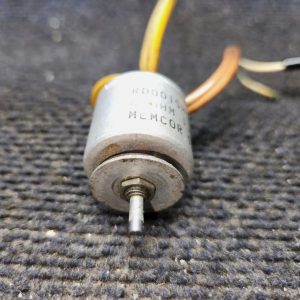
The Cessna 172F Rheostat (No Knob)
A Cessna 172F Rheostat may also be marketed as a Cessna 172F Lighting Rheostat or Cessna 172F Panel Light Rheostat when the intended circuit and complete part number are stated accurately.
The Cessna Cockpit Lighting Control can help pilots adjust compatible illumination levels, while the individual component should still be tested before installation.
An Aircraft Lighting Rheostat may also serve as an Aircraft Panel Light Dimmer when its resistance, power rating, terminals, and control range match the intended installation.
A Cessna 172F Dimmer Switch may be described as part of the Cessna Panel Lighting Control system, although the exact internal operation should be confirmed.
Reviewing the RD0015H1600JBC Component
Every letter, number, and suffix should be recorded because similar rheostats may differ in resistance, wattage, shaft style, terminal arrangement, dimensions, and operating characteristics.
The buyer should determine whether the rheostat is original, used, new-old-stock, repaired, refurbished, tested, untested, or removed from an aircraft.
Understanding the No-Knob Configuration
The no-knob description means the control knob is not included unless the listing states otherwise, so the buyer should plan for a compatible replacement or reusable original knob.
Professional selection supports both cockpit appearance and dependable lighting adjustment.
Cessna Cockpit Light Adjustment
The exact circuit design should be confirmed through aircraft wiring information rather than assumed from the component name alone.
Smooth dimming can help reduce glare and support instrument readability during night or low-light operations when the complete system operates correctly.
Avoiding Incorrect Dimmer Substitution
A rheostat associated with a Cessna 172F should not be advertised as universally compatible with every Cessna 172 variant.
The installer should verify whether the circuit uses two terminals, three terminals, an integral switch, or another control arrangement.
Assessing a Used Cockpit Dimmer
The shaft should rotate smoothly through its intended travel without excessive looseness, binding, roughness, or unexpected movement.
The body should not rotate after installation because movement can strain wiring and alter control positioning.
Inspecting Rheostat Terminals and Wiring
Clear wiring records reduce reconnection errors.
Improvised jumper wires or substituted terminals can change circuit operation and introduce additional failure points.
Aircraft Electrical Bench-Test Considerations
Test equipment, methods, conditions, and results should be documented clearly.
Applying unconfirmed voltage or excessive load can overheat or permanently damage the rheostat.
Avoiding Unnecessary Rheostat Replacement
Common symptoms can include flickering, dead spots, limited adjustment, sudden brightness changes, complete lighting loss, excessive heat, or inconsistent operation.
A dimming range that differs from the original may indicate an incorrect electrical value or altered lighting load.
Original-Style Instrument Panel Controls
Restorers may seek the correct housing, shaft, mounting style, knob design, panel location, and control labeling.
The missing knob may be sourced separately, reproduced appropriately, or reused from the removed more info control when its fit and condition remain suitable.
Cessna Cockpit Lighting Parts Requirements
A missing knob or damaged connector can delay installation even when P/N RD0015H1600JBC is available.
Donor-aircraft history may provide context but does not establish present serviceability.
Rheostat Replacement Versus Refurbishment
Repair should not be selected solely because an original component is difficult to replace.
Professional refurbishment can preserve restoration value while maintaining clear component status.
Buying a Cessna 172F Rheostat
The commercial value of P/N RD0015H1600JBC depends on verified identity, electrical specifications, physical condition, test status, shaft integrity, terminal condition, traceability, and included hardware.
Unsupported direct-fit, guaranteed dimming, universal compatibility, or airworthiness claims should be avoided.
Panel Light Dimmer Condition Checklist
A pre-purchase review should confirm P/N RD0015H1600JBC, manufacturer markings, donor-aircraft details, electrical ratings, resistance range, shaft dimensions, terminal layout, physical condition, test status, included hardware, and documentation.
- Confirm the complete part number, manufacturer, donor-aircraft model, donor serial information, intended lighting circuit, voltage, resistance, power rating, and available traceability.
- Review any test results for resistance consistency, continuity, dead spots, intermittent operation, and terminal mapping.
- Retain purchase records, photographs, measurements, test results, traceability information, repair documentation, and shipping records with the project file.
Protecting Cessna Electrical Parts in Transit
Professional packaging helps preserve the physical condition of the Aircraft Panel Light Dimmer.
During storage, the rheostat should remain clean, dry, labeled, and protected from moisture, chemicals, static-sensitive equipment, heavy objects, and uncontrolled handling.
Completing a Rheostat Replacement
Professional preparation reduces wiring errors and component damage.
The shaft should rotate freely after mounting and should remain properly aligned with the replacement knob and panel opening.
P/N RD0015H1600JBC.
Maintaining the Cessna 172F Lighting Control
Consistent inspection supports dependable cockpit lighting control.
Preventive maintenance protects both the rheostat and surrounding aircraft electrical systems.
Selecting an Aircraft Lighting Control Rheostat
P/N RD0015H1600JBC may suit aircraft owners, avionics facilities, maintenance technicians, restoration specialists, and parts suppliers seeking an identifiable lighting control.
The component should be judged according to complete electrical and installation suitability rather than clean appearance, Cessna association, smooth rotation, or purchase price alone.
Whether the part is purchased for scheduled maintenance, panel restoration, troubleshooting, vintage-aircraft preservation, replacement, or spare inventory, transparent information and professional oversight provide the strongest foundation.
With responsible purchasing, part-number research, controlled testing, secure mounting, and preventive electrical maintenance, the rheostat can remain a valuable cockpit asset.
Report this page